9 “Invisible” Hospitality Upgrades Guests Actually Notice (and Remember)
In hospitality, the most memorable moments often come from details guests can’t immediately name—until they’re missing. These are the “invisible upgrades”: operational, sensory, and service design improvements that don’t require a major renovation, but measurably improve comfort, trust, and review sentiment. They’re especially powerful for boutique hotels and heritage properties like The Windsor, where charm should never come at the expense of modern ease.
Below are nine specific, high-impact upgrades you can implement (or refine) with practical tips, real-world benchmarks, and examples you can adapt quickly.
1) Engineer Quiet: Treat Sound as a Core Amenity
Guests will forgive a small room faster than a sleepless night. Noise is one of the most common triggers for negative reviews, and it often stems from fixable sources: door slams, corridor echoes, HVAC vibration, elevator hum, and bathroom plumbing.
Actionable upgrades
- Door sweep + soft-close hardware: Add high-quality door sweeps and adjust latch plates to reduce slam noise. If you can, install soft-close hinges or closers on heavy corridor doors.
- Corridor acoustics: Consider acoustic underlay beneath corridor runners, plus wall panels that match your aesthetic (felt-backed art panels can double as sound treatment).
- Mechanical “micro-fixes”: Anti-vibration pads under mini-fridges and HVAC components can reduce low-frequency hum—often more irritating than loud voices.
Operational tip: Audit noise like you audit housekeeping. Do a “silent walk” at 10 p.m. and 6 a.m., recording hotspots and documenting quick wins.
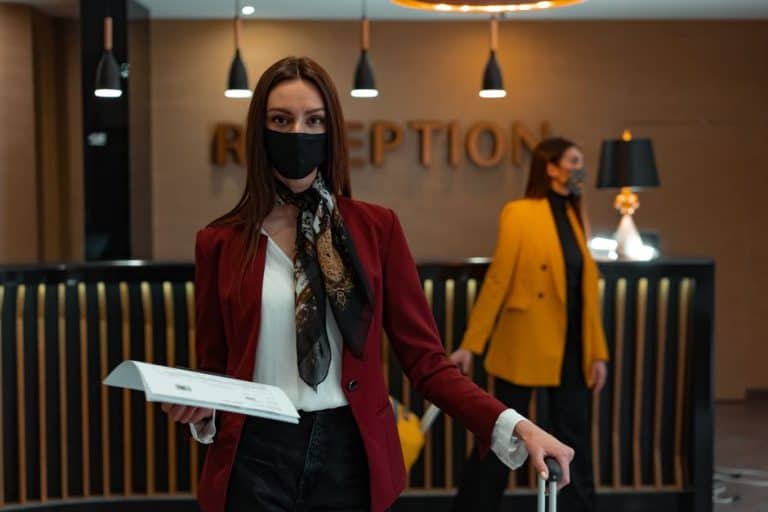
2) Upgrade Arrival Friction: Make Check-In Feel Like a Welcome, Not a Transaction
Arrival sets the emotional tone. Travelers are increasingly intolerant of repetitive data entry, unclear queues, and long waits after a journey. A smooth check-in doesn’t have to be fully automated; it just needs to respect time and reduce uncertainty.
Actionable upgrades
- Pre-arrival preference capture: Send a concise SMS/email 24–48 hours ahead asking for ETA and two preferences (e.g., pillow type, room temperature range, minibar style). Limit to a few taps.
- Two-lane arrival: Create a fast track for “pre-verified” guests (ID scanned in advance) and a full-service lane for those who want more guidance.
- First five minutes script: Train a consistent welcome sequence: name confirmation, one helpful orientation point, and one personalized detail (“We’ve set the room a bit cooler as requested”).
Real-world example: Properties that reduce check-in steps often see fewer lobby bottlenecks at peak times and fewer front-desk calls in the first hour of stay (because guests were oriented properly upfront).
3) Make Sleep “Tunable”: Offer Comfort Controls Guests Can Actually Feel
“Luxury” bedding is subjective. The invisible upgrade is choice—done in a way that’s easy for housekeeping and clear for guests. Instead of one premium setup, offer modular comfort options that adapt to different bodies and climates.
Actionable upgrades
- Pillow menu (operationally simple): Limit to 3 options: medium, firm, and hypoallergenic. Store spares on each floor for fast delivery.
- Mattress topper strategy: Keep a small inventory of high-quality toppers to soften overly firm mattresses without replacing units.
- Blackout refinement: Ensure curtains actually seal at the edges. Light leaks at 5 a.m. ruin the sleep story, no matter how good the thread count is.
Data point to track: Count “extra pillow” and “too hot/too cold” requests per occupied room. If those drop after upgrades, you’ve improved sleep quality.
4) Deliver “Five-Star Water”: Pressure, Temperature Stability, and Instant Clarity
Guests remember showers. Not because they’re flashy, but because they reveal operational competence: stable hot water, strong pressure, clean glass, and no temperature surprises.
Actionable upgrades
- Pressure balancing valves: If feasible, install thermostatic mixing valves to reduce temperature swings when neighboring rooms use water.
- Descale as a system: Create a preventive schedule for shower heads and aerators, especially in hard-water areas. A simple vinegar soak regimen can dramatically improve flow.
- Timed hot-water audit: Measure “seconds to hot” in representative rooms; long delays are both a comfort issue and a sustainability issue.
Guest-facing tip: If a building’s plumbing has quirks, provide a one-line, friendly heads-up (e.g., “Hot water arrives in ~20 seconds”) rather than letting guests assume something is broken.
5) Create a Signature “Scent Boundary” Without Over-Perfuming
Scent is powerful—and risky. Heavy diffusers can trigger headaches and negative feedback. The invisible upgrade is a clean, consistent olfactory boundary that reads as “well cared for,” not “trying too hard.”
Actionable upgrades
- Start with neutral cleanliness: Fix underlying odor sources (trash rooms, damp carpets, old upholstery) before adding any scent layer.
- Use micro-zones: Keep scent strongest at entry points (lobby threshold, elevator vestibule) and almost imperceptible elsewhere.
- Choose allergy-aware profiles: Lighter notes (tea, cedar, linen, citrus peel) tend to be better tolerated than sweet gourmands.
Quality control: Ask staff who don’t work in the lobby to do quick “nose checks.” People acclimate quickly; rotating noses catches drift.
6) Offer “Local Intelligence” Instead of Generic Recommendations
Concierge value has shifted from “here are popular spots” to “here’s what fits you.” Guests can Google “best restaurants near me,” but they can’t Google your property’s lived-in expertise and relationships.
Actionable upgrades
- Build three micro-itineraries: Example: “Rainy Day,” “Early Flight Morning,” and “One Free Afternoon.” Keep each to 5–7 stops with transit time estimates.
- Use preference prompts: Ask one question—“Are you more into classics, hidden gems, or something social?”—then tailor from there.
- Partner for priority: Create simple agreements with nearby venues (reserved bar seats, last-minute tables, early entry). Even small perks feel exclusive.
Authority reference: As travel patterns and guest expectations evolve—especially around how cities manage crowds and how visitors navigate “must-see” lists—keeping an eye on broader reporting helps teams stay current. For ongoing travel coverage and consumer insights, The New York Times travel section can be a useful pulse-check on what travelers are discussing and valuing.
7) Design Housekeeping for “Proof of Care,” Not Just Cleanliness
Guests don’t inspect with a white glove, but they subconsciously scan for signals: corners, switches, grout lines, and how items are aligned. The invisible upgrade is consistency—a repeatable finish standard that reads as pride.
Actionable upgrades
- Introduce a 60-second “final frame” checklist: Examples: bedside table alignment, mirror streak check, towel edges squared, remote sanitized and placed identically.
- Target “high-touch, low-visibility” points: Light switches, thermostat buttons, hairdryer handles, luggage rack straps.
- Use scent-free validation tools: UV markers or ATP swabs for periodic verification can strengthen training without relying on smell as the indicator of clean.
Real-world example: Many teams find that a short “finish checklist” reduces re-cleans and compensation requests because it catches the small misses that provoke distrust (like a smudged switch plate).
8) Build a Zero-Confusion In-Room Information System
Guests shouldn’t have to hunt for basics: Wi‑Fi, breakfast hours, checkout, how to contact the desk, and what to do if something’s wrong. Confusion creates calls; calls create wait times; wait times create frustration.
Actionable upgrades
- One card, one QR, one promise: A single, well-designed card can handle Wi‑Fi and the top 5 FAQs, plus a QR for deeper info. Add a line like: “Text us anytime—fastest response.”
- Make “what if something’s wrong” obvious: Provide a clear option: call, text, or chat. Include response-time targets to set expectations.
- Translate the essentials: If you host international guests, translate the top items into the most common languages you see.
Operational metric: Track front-desk call reasons for two weeks. If many calls are informational, the system is doing what paper and QR should have done.
9) Turn Complaints Into “Recovery Theater” (Fast, Specific, and Documented)
No property is immune to issues. What guests remember is how quickly and respectfully you recover. The invisible upgrade is a consistent service-recovery method that prevents repeat problems and creates the feeling of being taken seriously.
Actionable upgrades
- Use a 3-step recovery script: (1) Acknowledge with specifics, (2) solve with a time estimate, (3) follow up after resolution.
- Empower the first responder: Allow front-line staff to authorize small remedies (late checkout, beverage voucher, room move) without managerial delays.
- Document root cause: Categorize issues (noise, temperature, cleanliness, Wi‑Fi) and link them to room numbers/time patterns. Fixing the pattern beats compensating for it.
Example: If multiple guests report “room too warm,” the real fix may be HVAC calibration or clearer thermostat instructions—not repeated fan deliveries.
Conclusion: Small Upgrades, Big Memory
Invisible upgrades are rarely glamorous, but they’re the difference between “nice stay” and “I’d come back.” Prioritize what guests feel: quiet, ease, sleep quality, shower confidence, cleanliness signals, and thoughtful local guidance. Choose two or three upgrades to implement this quarter, measure a few simple metrics (requests per occupied room, re-clean rates, noise complaints, check-in time), and iterate.
When done well, these improvements don’t just lift ratings—they protect your brand promise and make the property’s character shine without friction.