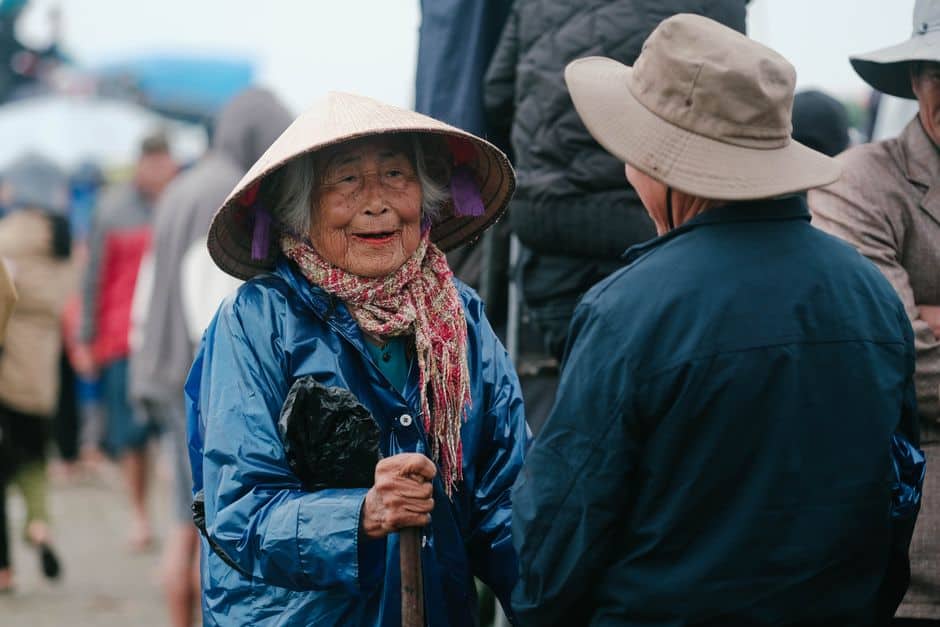
For years, the internet promised more connection. Yet many of us feel the opposite: busy calendars, full inboxes, and fewer moments of genuine belonging. One reason is subtle but powerful—our “third places” have quietly eroded. If home is the first place and work is the second, a third place is where community happens naturally: a park bench you return to, a library you frequent, a low-stakes café, a rec center class, a volunteer shift, a hobby group, a local market. They’re not glamorous, but they’re essential.
This article offers a concrete, modern approach to rebuilding third places without moving cities or overhauling your life. The “15-minute Third Place Reset” is a simple framework for choosing one accessible, repeatable, low-pressure place (or micro-community) and turning it into a reliable source of social health. It’s specific, practical, and designed for people who are tired, time-poor, or new to a neighborhood.
What “Third Places” Really Do (and Why They’re Disappearing)
Third places do more than provide a venue. They create repeated, low-stakes interactions—the small nods, quick chats, and familiar faces that gradually turn strangers into “weak ties.” Those weak ties matter. They’re the people who tell you about a local event, recommend a plumber, notice when you’re not around, or connect you to an opportunity.
Several pressures have chipped away at third places: longer commutes, rising costs for commercial rent, reduced public funding for civic spaces, and a shift toward digital entertainment. The result is a community gap. You might have close friends you rarely see and thousands of online “connections,” but fewer local, in-person touchpoints that make daily life feel supported.
There’s also a practical angle: when third places are scarce, every social interaction has to be scheduled. That turns connection into a chore. A strong third place turns connection into a byproduct of living.
The 15-Minute Third Place Reset (A Step-by-Step Plan)
The goal is not to become a social butterfly. The goal is to create a reliable “social groove” that doesn’t require constant planning. Here’s how to do it in manageable steps.
Step 1: Define Your “15-Minute Radius”
Start with a constraint: choose options you can reach within 15 minutes (walking, cycling, transit, or driving). Why 15 minutes? Because friction kills habits. The easier it is to show up, the more likely you are to keep showing up even when you’re tired or busy.
- Urban: a library branch, community garden, small gym class, neighborhood café, local market, book club, volunteer hub.
- Suburban: recreation center, school-run community events, faith/community centers (even for nonreligious events), trail groups, hobby clubs.
- Rural: town hall events, local sports leagues, volunteer fire/aid auxiliaries, farmers’ co-ops, community repair cafés.
Step 2: Pick One Place That’s “Low Commitment, High Repeatability”
A third place works when it’s easy to attend regularly. Choose one that can fit into your existing week. Examples:
- A Saturday morning market you can visit twice a month.
- A weekday library stop that pairs with errands.
- A recurring class (beginner pickleball, yoga, pottery, language exchange) where the same people tend to reappear.
- A volunteer shift with a predictable schedule (food bank sorting, park clean-up, museum welcoming).
Rule of thumb: if it requires “getting ready” for more than 10 minutes, it’s probably too high-friction for the start.
Step 3: Use the “Same Time, Same Day” Trick
Third places rely on repetition. Choose a consistent time slot—e.g., “Tuesdays at 6:15 pm” or “Sundays at 10:00 am.” Your brain begins to treat it like a routine instead of a decision.
Consistency also increases familiarity. When you show up at the same time repeatedly, you start seeing the same faces. That predictability is a quiet superpower.
Step 4: Learn One Name Per Visit (That’s It)
Many people avoid third places because they assume they must be charismatic or extroverted. You don’t. A small measurable goal works better:
- Ask and remember one name per visit.
- Ask one “context question” (e.g., “How long have you been coming here?”).
- Offer one simple “return line” for next time (e.g., “See you next week?”).
This is how repeated, low-pressure familiarity forms. Over time, it becomes natural to talk—because you’re no longer strangers.
Step 5: Become a “Regular” Through Micro-Contributions
Being a regular isn’t about spending money or taking on responsibility. It’s about tiny signals of participation:
- Put chairs back after a community meeting.
- Bring a small pack of spare pens to a book club.
- Share a useful local tip (“The best time to come is before 10”).
- Compliment the event organizer and ask how you can help next time.
Micro-contributions create “social proof” that you’re part of the fabric, not just passing through.
Real-World Examples: How Third Places Look Today
Third places aren’t limited to the classic neighborhood pub or diner. Modern life has created modern versions—some free, some low-cost, many surprisingly welcoming.
1) The Library as a “Social Gym”
Libraries have evolved into multi-use civic spaces: coworking tables, workshops, author talks, children’s events, tool lending programs in some regions, and community noticeboards. If you’re new to an area, the library is often the lowest-pressure place to start because you can be quietly present until you’re ready to engage.
Actionable tip: attend one recurring program (monthly book club, weekly conversation circle) rather than one-off events. Recurring beats occasional for building familiarity.
2) The “Repair Café” and the Rise of Practical Community
Repair cafés—events where volunteers help fix items—have grown in many communities as people push back against throwaway culture. They’re also excellent third places because they attract practical, generous participants and create natural conversation (“What are you fixing?”).
Actionable tip: even if you don’t have something to repair, ask if they need help setting up tables, sorting tools, or making tea. You’ll meet the core community quickly.
3) Parkrun-Style Recurring Events
Recurring, welcoming fitness meetups (walking groups, casual runs, beginner cycling meetups) have become a cornerstone third place for many. The benefit is that the “agenda” is built in—you don’t have to invent conversation; you just show up and move.
Data point to consider: even modest activity can help mood and stress. Public health guidance commonly recommends about 150 minutes of moderate activity per week, but social movement groups make it easier to accumulate minutes without feeling like a chore.
4) Volunteering as a Social Shortcut
Volunteering compresses the social timeline because you’re working toward a shared goal. Instead of “making small talk,” you’re cooperating. Food banks, community fridges, neighborhood litter picks, and mutual aid groups are often grateful for consistent help.
Actionable tip: choose a role with repeat attendance (weekly shift) rather than sporadic “big days.” Repetition is the point.
A Simple Metric: Track “Friendly Faces,” Not Friends
A common mistake is measuring success by how many new friends you make. That’s too heavy and can feel discouraging. Try this instead: keep a small note on your phone with the number of friendly faces you can recognize at your third place.
- Week 1: 0–1 friendly faces
- Week 3: 2–4 friendly faces
- Week 6: 5–8 friendly faces
Once you have 5–8 familiar faces, you’ve built a meaningful social buffer. You’re more likely to be invited to something, more likely to feel known, and more likely to keep showing up.
How to Choose the Right Third Place for Your Personality
Not all third places fit all people. Match the environment to your energy style:
- If you’re introverted: libraries, craft circles, board game cafés, quiet volunteer roles, community gardens.
- If you’re extroverted: open mic nights, group fitness, community theater, local sports leagues.
- If you’re time-poor: places that stack with errands (market + coffee, library + grocery route).
- If you’re new to the area: recurring events with a clear structure (classes, volunteer shifts, walking groups).
What If You Don’t Have Good Third Places Nearby?
Sometimes the problem is real: your area may lack walkable civic spaces or affordable venues. In that case, aim for a “micro third place”—a small, repeatable community that can exist anywhere.
- Start a monthly “Bring Your Own Chair” courtyard/park hang for neighbors.
- Create a lobby coffee catch-up in your apartment building (even 20 minutes).
- Use a community noticeboard to propose a 30-minute weekly litter pick route.
- Coordinate a rotating “front porch hour” on good-weather days.
Local journalism and community reporting can also help you discover hidden civic spaces and events. For example, The Guardian regularly covers social trends and community issues, which can spark ideas for the kinds of local initiatives that rebuild connection in practical ways.
Common Pitfalls (and How to Avoid Them)
1) Expecting Instant Belonging
Belonging usually lags behind attendance. Give your third place at least 6–8 visits before judging it. The “I don’t fit” feeling often fades once you’re recognized.
2) Overcommitting Too Early
Don’t volunteer to run the group in week two. Start by showing up consistently. Reliability is more valuable than intensity.
3) Choosing Places That Require Spending Money Every Time
If your third place depends on constant purchases, it can create financial friction. Mix in public or low-cost spaces—parks, libraries, volunteer hubs—so your social life doesn’t disappear when budgets tighten.
Conclusion: Build the Habit, Then Let Community Happen
Rebuilding community doesn’t require a grand social reinvention. It requires a repeatable place, a small commitment, and time. The 15-minute Third Place Reset works because it removes the pressure: you’re not chasing a perfect friend group—you’re creating a reliable rhythm where connection becomes a natural side effect.
Pick one third place within 15 minutes. Show up at the same time each week. Learn one name per visit. Track friendly faces. Within a couple of months, you’ll likely notice something many people miss until it’s gone: life feels lighter when you’re not facing it alone.