Why “Silent” Formats Are Suddenly Everywhere
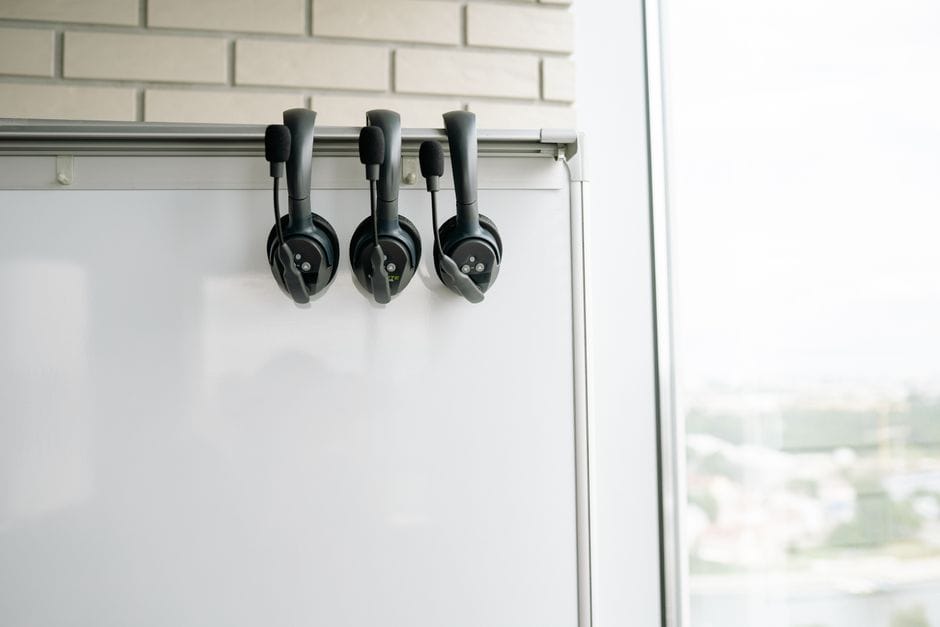
In a world of open-plan offices, hybrid work, and noise-sensitive venues, event organisers are increasingly looking for formats that deliver high engagement without turning the room into a sonic battleground. Enter the silent conference: a multi-track event where attendees wear wireless headphones and choose which session audio to hear (often via channel switching). The concept is familiar from silent discos, but it’s now a serious option for conferences, product launches, training days, and panel events—especially when budgets, venue limitations, or accessibility requirements rule out building multiple fully isolated rooms.
This article compares silent conferences with traditional single-audio events across cost, logistics, content design, and guest experience—so you can confidently choose the right approach for your next function at The Windsor or any comparable venue.
At-a-Glance Comparison: Silent Conference vs Traditional Event
- Silent Conference: Attendees use headphones; multiple sessions can run in the same space; minimal sound bleed; strong for choice-driven agendas.
- Traditional Event: One room audio system; one “main” program at a time; straightforward production; strong for shared moments and atmosphere.
1) Engagement and Attention: “Captive Audience” vs “Opt-In Audience”
Silent Conference: Higher perceived control, but demands better content
With channel switching, guests can “vote with their ears.” That raises the bar: speakers and moderators need tight pacing and clear takeaways. The upside is that the audience is typically more attentive—headphones reduce distractions and background chatter. A practical rule used by many audio-led events is to design in micro-segments of 6–10 minutes (mini stories, quick demos, audience prompts) rather than 30-minute uninterrupted lectures.
Actionable tip: Brief presenters to open with a “why this matters” hook within the first 45 seconds. In a silent format, the drop-off is immediate—and measurable (you can observe channel-switching patterns).
Traditional Event: Strong shared energy, but attention competes with the room
Traditional formats excel at creating unified moments—opening speeches, awards, keynotes, entertainment acts. The room’s collective laughter and applause is part of the value. However, the bigger the venue and the more open the floor plan, the more attention competes with clinking glassware, service movements, and side conversations.
Real-world example: At many gala-style functions, organisers schedule speeches between courses to avoid kitchen noise and service interruptions. That’s less critical in a silent format, where the audio remains consistent.
2) Venue and Acoustics: When the Room Works Against You
Silent Conference: A workaround for acoustic challenges
If your venue has high ceilings, hard surfaces, or an open-plan layout, achieving crisp spoken-word sound can be costly. A silent system sidesteps much of that by delivering audio directly to each guest. This can be a game-changer for heritage buildings, multi-purpose ballrooms, and rooms that must accommodate multiple set-ups in a single day.
Data point to consider: Many venues quote reverberation time (RT60) as an acoustic measure; speech intelligibility tends to drop as RT60 increases. Headphones effectively decouple the experience from RT60 limitations.
Traditional Event: Great when acoustics are strong and production is well-tuned
In acoustically treated rooms with a well-designed PA, traditional sound can be excellent. But it becomes less forgiving when you add partitions, sponsor activations, or multiple simultaneous zones. If your event includes a networking area adjacent to a keynote space, you may be forced into awkward compromises: lower networking energy or lower keynote volume.
3) Program Design: Multi-Track Freedom vs One Story for Everyone
Silent Conference: Ideal for multi-track agendas without multiple rooms
Silent events are at their best when your content naturally branches into different interests—e.g., leadership, sales, product, and operations running concurrently. With a three-channel setup, you can run three panels in one large room. This is not just a cost play; it also reduces attendee “commute time” between rooms and helps keep schedules on track.
Actionable tip: Limit to 2–3 simultaneous tracks. Beyond that, choice becomes cognitive overload, and the perceived value of any single session drops. Use colour-coded signage and a simple agenda format: “Channel 1 (Blue), Channel 2 (Green), Channel 3 (Red).”
Traditional Event: Best for narrative-driven programs
If your function has a single storyline—brand launch, annual awards, fundraising dinner, a CEO strategy address—traditional wins. Everyone experiences the same arc at the same time. That shared narrative helps with internal alignment and emotional resonance.
Real-world example: A charity gala benefits from collective focus during donor stories and pledge moments. Even subtle channel-switching could dilute the momentum.
4) Accessibility and Guest Comfort: What You Gain, What You Must Plan For
Silent Conference: Strong potential accessibility benefits (with the right setup)
Headphones can support guests who struggle with auditory processing in noisy environments. They can also integrate assistive listening features and, in more advanced setups, provide multiple language channels or a dedicated channel for live interpretation.
Actionable tip: Offer a “quiet channel” for sensory breaks: calming music or a guided reset. This is increasingly appreciated at corporate wellness days and training conferences.
For broader context on how noise affects daily life and wellbeing—useful when building a business case for quieter formats—see this reporting from The Guardian.
Traditional Event: Less equipment friction, but more reliance on room discipline
No headsets means fewer moving parts and less hygiene management. However, traditional events rely on the room to behave: audience silence during talks, controlled service timing, and careful volume management. If you have a mixed crowd (some there to network, some there to learn), traditional setups can produce tension unless you plan physical separation or time blocks.
5) Branding, Atmosphere, and “Wow Factor”
Silent Conference: Modern, tech-forward, and surprisingly premium when executed well
Silent formats can feel innovative—especially when guests first realise they can choose tracks in real time. Branding opportunities include custom headset decals, channel naming aligned to your brand pillars, and sponsor-supported tracks (e.g., “Innovation Stage presented by…”). The “wow” comes from control and clarity rather than loud spectacle.
Actionable tip: Run a 60-second “channel tutorial” with a host before the first session: how to switch, adjust volume, and where to get help. This eliminates friction and makes the experience feel curated rather than confusing.
Traditional Event: Unmatched for spectacle and shared sound
Live performances, dramatic walk-on music, and room-filling applause are hard to replicate in a silent format. If you’re leaning into theatre—lighting hits, live band, big reveals—traditional production will deliver a more visceral atmosphere.
6) Budget and Logistics: Hidden Costs and Hidden Savings
Silent Conference: Equipment rental, hygiene, and staffing—offset by room savings
Silent systems require headsets, transmitters, charging, distribution tables, and staff for check-in/out. You’ll also need a cleaning plan (wipes, UV sanitation cabinets, or disposable covers). But the savings can be substantial if you would otherwise hire extra rooms, build additional stages, or bring in heavy acoustic treatment.
Budget reality check (practical): For medium-sized events, headset hire can feel like a big line item, but it may replace costs like additional AV technicians, extra PA systems, room drape, or partitioning. The only reliable approach is to compare two full quotes: multi-room traditional vs single-room multi-track silent.
Traditional Event: Familiar workflows, but can balloon with complexity
Traditional events are operationally simpler in a single-room setup. Complexity (and cost) increases fast when you need simultaneous sessions, overflow rooms, or strict noise separation. If you’ve ever paid for extra staging because you “ran out of corners,” you’ve felt this firsthand.
7) Risk Management: What Can Go Wrong (and How to Prevent It)
Silent Conference risks
- Battery failure: Mitigate with fully charged spares (aim for 10–15% extra headsets) and a charging station on standby.
- Channel confusion: Clear signage, a brief tutorial, and consistent colour coding across agenda, stage banners, and MC script.
- Hygiene concerns: Provide visible cleaning protocols; have staff wipe units at return; consider disposable ear pad covers for high-turnover events.
- Speaker habits: Presenters must mic correctly. Do a soundcheck and remind them that turning their head away changes clarity.
Traditional event risks
- Audio intelligibility issues: Invest in proper microphone selection (lapel vs headset vs handheld) and speaker placement.
- Noise bleed from service/networking: Use program timing blocks and physical zoning (screens/drapes) to protect quiet moments.
- Audience disengagement in long sessions: Add Q&A, live polling, or structured breaks every 45–60 minutes.
How to Choose: A Practical Decision Framework
Use these criteria to pick the right format:
- Choose a silent conference if: you need multi-track content, your venue is acoustically challenging, you want to reduce noise complaints, or your audience benefits from direct, consistent audio.
- Choose a traditional event if: your program relies on shared emotional beats, live performance energy, or a single narrative everyone must experience together.
- Consider a hybrid approach if: you have a keynote and awards (traditional) plus breakouts (silent) in the same day. This is often the best of both worlds.
Actionable tip: Run a 15-minute pilot during a smaller internal event. Measure: attendance per track, dwell time (how long people stay in a session), and post-event feedback on clarity and fatigue.
Conclusion: The Best Format Is the One Your Content Can Sustain
Silent conferences aren’t a gimmick when used strategically—they’re a practical solution to modern event realities: tighter schedules, mixed audience needs, and venues that must flex between networking, dining, and learning. Traditional events still dominate where atmosphere, spectacle, and shared storytelling matter most.
The deciding factor is not technology; it’s intent. If your agenda thrives on choice and clarity, silent formats can lift engagement and reduce acoustic compromises. If your goal is collective focus and emotional momentum, a well-produced traditional event remains unbeatable.
Plan from the guest’s point of view, cost both options honestly, and pick the format that makes your program feel effortless—not merely possible.