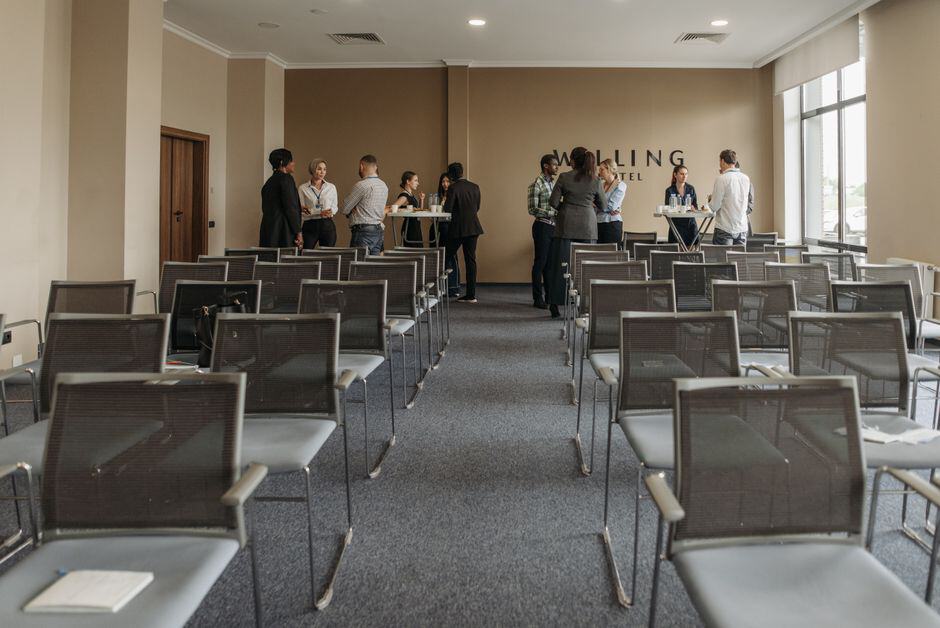
Why the 90‑Minute Micro‑Conference Is Taking Off
Attention spans are shorter, diaries are fuller, and travel budgets are tighter than they were even a few years ago. Yet organisations still need the same outcomes from events: knowledge-sharing, relationship building, lead generation, team cohesion, and memorable brand moments. That’s why a specific format is gaining momentum across corporate, creative, and community spaces: the 90‑minute micro‑conference.
A micro‑conference sits between a meeting and a full-scale conference. It’s tightly curated, time-boxed, and designed to deliver one clear outcome—like “introduce a new product to 30 decision-makers” or “create cross-department alignment on a single initiative.” When executed properly, it can outperform longer events on engagement and follow-up action because it reduces “event fatigue” while still feeling substantial.
This guide breaks down how to design and run a 90‑minute micro‑conference that feels premium, purposeful, and easy to replicate—plus real-world examples, agenda templates, and measurement tips.
What Makes a Micro‑Conference Different (and Worth It)
Micro‑conferences aren’t just shorter events. They are built around constraint-based design—a deliberate approach where time limits force clarity. That clarity improves the attendee experience and makes planning more efficient.
- Single theme, single audience: you’re not trying to please everyone.
- High ratio of interaction: fewer passive sessions, more guided discussion.
- Low friction: easier to attend, especially on weekdays.
- Repeatable: run it monthly or quarterly with variations.
From a business perspective, it’s a format that often delivers stronger cost-to-impact metrics. You’re spending less time on stage build-outs and multi-track content, and more effort on what truly moves the needle: the right people, in the right room, with the right prompt.
The Core Structure: A Proven 90‑Minute Agenda
Here’s a practical agenda framework that works across industries—from professional services and property to hospitality and tech. The key is to make it feel energetic and well-paced rather than rushed.
0–10 min: Arrival + “guided mingling”
Unstructured networking can be hit-or-miss. Replace it with one simple instruction: a question prompt displayed at the entrance or announced by the host. Example prompts:
- “What’s one thing you want to solve this quarter?”
- “What’s a project you’re proud of right now?”
- “What’s one trend you’re watching closely?”
This instantly raises the quality of conversation and helps quieter guests participate without feeling awkward.
10–20 min: Opening + context (host-led)
Set the tone quickly:
- Why everyone is here (the one theme)
- What they’ll leave with (a takeaway, connection, or decision)
- How interaction will work (timing, Q&A method)
Tip: Use a visible timer or a timekeeper cue. The “tightness” of the format becomes part of the brand experience.
20–45 min: One keynote or “expert lightning” block
You have two strong options:
- One keynote (20–25 minutes): best for bold thought leadership, launches, or a compelling case study.
- Three lightning speakers (7 minutes each + 1 minute transition): best for showcasing varied perspectives or partners.
Keep slides minimal. If you want a data-led moment, include one strong chart or stat and explain what it means in plain English.
45–70 min: Structured breakout conversations
This is where micro‑conferences outperform traditional formats. Instead of long Q&A lines, run table-based or cluster-based discussion with a clear output.
Example breakout formats:
- “3-2-1 Round”: 3 minutes share your situation, 2 minutes peer ideas, 1 minute write your next action.
- “Case Clinic”: one table presents a challenge; others offer solutions; host captures the best ideas.
- “Speed collaboration”: rotate partners every 4 minutes with a new prompt.
Output matters: give each group a simple worksheet or a single question to answer. Your team can collect those insights to inform follow-up content, sales conversations, or internal strategy.
70–85 min: Share-backs + curated networking
Invite 3–5 groups to share one insight each (keep it moving). Then open a short networking window with intent: suggest three types of introductions (e.g., “introduce someone who needs X to someone who offers X”).
85–90 min: Close with one clear next step
Close with a single action you want attendees to take within 48 hours: book a consult, download a resource, join a community channel, nominate a speaker, or register for the next micro‑conference.
Real-World Examples of Micro‑Conferences (and Why They Work)
Example 1: “The Trends Briefing” for property and development
Audience: local developers, architects, investors, council stakeholders (25–40 people).
Theme: one neighbourhood or one regulation update.
Why it works: stakeholders appreciate a time-efficient setting to compare notes and form partnerships. Use one expert to frame implications, then breakouts focused on “what changes next.”
Example 2: “Customer Reality Check” for retail or e-commerce teams
Audience: product, marketing, CX, and sales (internal + a few invited customers).
Theme: one friction point (e.g., delivery expectations, returns, loyalty).
Why it works: mixing internal teams with customers for structured discussion can surface actionable fixes quickly. Even one strong customer quote can justify a process change.
Example 3: “Partner Sprint” for B2B professional services
Audience: referral partners (accountants, brokers, consultants).
Theme: one shared problem (e.g., onboarding, compliance, hiring).
Why it works: short, high-quality sessions strengthen partner ties without demanding a whole day out of the office—especially effective when paired with an easy follow-up pack (templates, slides, contact list).
Practical Planning Checklist (So It Feels Premium, Not Small)
A micro‑conference should feel curated, not reduced. Here’s what lifts quality:
- Guest list discipline: define a “yes list” and a “not yet” list. Smaller events amplify the impact of the wrong fit.
- Audio clarity: if anyone can’t hear, engagement collapses. Prioritise microphones and a short sound check.
- Signage that guides behaviour: prompt cards on tables, a visible agenda, and a simple “how this works” slide.
- Food that supports the format: opt for easy-to-hold items (no knife-and-fork dependency). Coffee/tea available immediately on arrival.
- A single memorable detail: a printed one-page takeaway, a branded discussion card, or a “hot seat” coaching moment.
Use Data Without Overloading People
Micro‑conferences benefit from one strong external reference that validates the theme. For example, if your session is about workplace culture, customer service, or changing work patterns, referencing reputable journalism can add credibility and spark discussion. A useful habit is to share one pre-read link in the invitation so guests arrive with a shared baseline. If you need a reliable source of up-to-date reporting, consider pointing attendees to a relevant explainer or analysis piece from The Guardian to support your topic framing.
Tip: Put the data point on a single slide and ask a question immediately after (“What does this mean for us in the next 6 months?”). Data becomes a conversation starter, not a lecture.
How to Measure Success (Beyond Headcount)
Because micro‑conferences are repeatable, measuring the right things helps you iterate quickly. Track:
- Show rate: attendees who arrive vs. RSVPs (strong micro‑conferences often target 75–90% with reminders and calendar holds).
- Interaction rate: percentage of attendees who spoke in breakouts or submitted a question (use simple QR forms to capture this).
- Connection quality: ask one post-event question: “Did you meet someone you will follow up with?”
- Next-step conversion: bookings, downloads, sign-ups, or internal actions completed within 7 days.
- Content yield: number of usable insights, quotes, or FAQs created from the session.
Actionable tip: Send a follow-up email within 3 hours while energy is high. Include (1) the one-page summary, (2) the next event date, and (3) a single call-to-action.
Common Mistakes to Avoid
- Trying to cover too much: a micro‑conference should answer one question well, not ten questions poorly.
- Overbooking speakers: more speakers often means less connection. Keep it tight.
- Skipping facilitation: breakouts need prompts and timekeeping, or they drift into small talk.
- No clear “after” plan: the event should be the start of a relationship, not the end.
Conclusion: Small Format, Big Outcomes
The 90‑minute micro‑conference is a modern solution for modern constraints. It respects time, increases participation, and delivers outcomes that are easy to measure—while still feeling polished and memorable. If you’re looking to create events that generate genuine connection and tangible next steps (without the heavy lift of a full conference), this format is one of the most practical options available.
Start with one theme, the right room, and a structured agenda. Run it once, measure what matters, and refine it into a series. Over time, your micro‑conference can become a signature event—one that people can actually commit to, and genuinely benefit from.