What is a “silent” (headphone) party, and why is it trending for events right now?
A silent party is an event where music plays through wireless headphones instead of speakers. Guests choose a channel (often 2–3 DJs/playlists) and control their own volume. From the outside, it looks like a room full of people dancing “in silence,” but inside the headphones it’s a proper party.
It’s trending because it solves several modern event headaches at once: venues with strict noise rules, mixed-age crowds with different tastes, and the desire to create a memorable, Instagrammable experience without the usual “too loud / too quiet” drama.
- Noise control: No booming bass through walls, which can reduce complaints and help you stay compliant with venue restrictions.
- Choice: Multiple channels means your cousin who loves Afrobeats and your colleague who wants 2000s pop can both be happy.
- Conversation-friendly: Take headphones off to chat without yelling—especially useful for corporate events and milestone birthdays.
Is a silent party only for nightclubs, or does it work for weddings, corporate events, and private functions?
It works surprisingly well across event types. The trick is to design the “silent” concept around your crowd and your schedule.
- Weddings: Perfect for venues with curfews, shared walls, or outdoor spaces where you want the vibe without blasting sound across the neighbourhood.
- Corporate events: Great for team-building because it’s novel, low-risk, and people can opt in and out easily (no one’s trapped in loud music all night).
- Birthday parties & reunions: Multiple generations? Multiple channels. Plus, grandparents can keep the volume gentle.
- Product launches: You can run one channel with brand storytelling/MC moments and another with pure party music.
Real-world example: A 120-guest mixed-age engagement party can run Channel A (dance bangers), Channel B (R&B/slow jams), Channel C (throwback classics). You’ll see mini-communities form—people bonding over the same colour channel and “singing silently” together.
What are the biggest myths about headphone parties?
Myth 1: “It’ll feel awkward because it’s quiet.”
The room isn’t actually “dead.” You still have cheering, clapping, and singing—plus the visual of different channel colours. If anything, it’s funnier and more social because you can actually hear your friends when you take the headphones off.
Myth 2: “People won’t dance without loud speakers.”
They do. The sound in the headphones is crisp, bassy, and consistent. The key is a good DJ (or well-curated playlists) and a quick tutorial at the start.
Myth 3: “It’s only a gimmick.”
It can be gimmicky if it’s slapped on without planning. But when you build it into the event flow—icebreakers, channel battles, singalong moments—it becomes a legit format, not a novelty.
How many headphones do I need, and what’s the smartest way to plan headcount?
Plan for 85–95% of your guest count if the silent party is the main entertainment, and 60–75% if it’s a segment (like a post-dinner dance set). You can also order a small buffer (5–10 extra) for last-minute attendees or technical issues.
- Example: 150-person wedding where 120 typically dance. Rent ~130 headphones to cover dancers plus a few spares.
- Pro tip: If budget is tight, reduce headphones by planning “waves”—silent set after speeches, then dessert lounge, then silent set again.
What equipment do I actually need (and what can I skip)?
At minimum, you need:
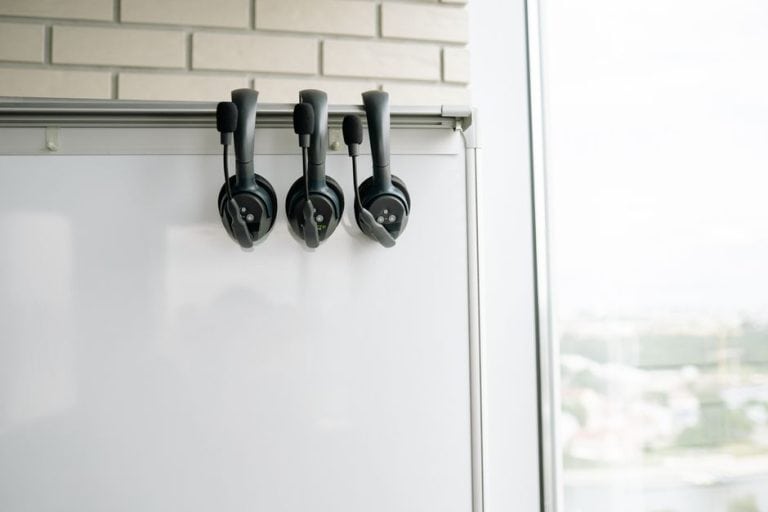
- Wireless headphones (RF or digital; most event suppliers provide these)
- Transmitters (one per channel)
- Audio sources (DJ controller, laptop, mixer, or curated playlists)
Nice-to-haves that make it feel premium:
- LED channel colours (standard on many headphone systems; helps guests find “their people”)
- A hype MC (even a friend with a mic) for quick instructions and “switch-to-blue!” moments
- A simple check-in station with numbered headphone distribution to reduce loss
What you can often skip:
- Huge PA speakers (unless you want light background sound for non-headphone areas)
- Complex lighting rigs (a few well-placed lights + the headphone LEDs can do a lot)
How do I make it feel inclusive for guests who don’t want to dance?
The best headphone parties don’t force everyone into one experience. Build parallel zones:
- The Dance Zone: clear floor space + visible DJ booth
- The Chat Zone: seating, softer lighting, no pressure to wear headphones
- The “Switch & Sample” Bar: a small sign encouraging guests to try all channels (it sparks conversation)
Actionable tip: Create a 30-second “how it works” announcement: how to power on/off, how to change channels, and where to go for help. The smoother the onboarding, the more inclusive it feels—especially for older guests or anyone unfamiliar with the format.
What’s the best music strategy for 2–3 channels without overwhelming people?
Think in clear identities, not random genres. A common mistake is making channels too similar (then nobody switches) or too niche (then one channel is empty).
- Channel 1 (Crowd Pleasers): wedding classics, top 40, singalongs
- Channel 2 (Taste Lane): house/disco, afrobeats, hip hop—something with a strong vibe
- Channel 3 (Throwbacks): 90s/00s, indie sleaze, or “guilty pleasures”
Real-world tactic: Run a “channel battle” every 30–45 minutes: the DJ calls out a switch, plays 60–90 seconds of a killer track on each channel, and lets guests vote with their headphone colours. It’s silly in the best way—and it gets shy guests involved.
How do I handle noise rules, neighbours, and venue restrictions (the smart way)?
A silent party is famous for being “quiet,” but your event still has sound: cheering, foot traffic, and any mic announcements. Be proactive:
- Confirm curfew rules and whether the venue allows outdoor dancing (even with headphones).
- Keep a small ambient speaker at low volume if your venue feels too silent—just enough to avoid an eerie vibe.
- Use rugs and soft furnishings if you’re on hard floors; it reduces stomping noise.
- Schedule the “loudest human moments” (singalongs, countdowns) earlier in the night if neighbours are close.
If you’re planning in a dense area, it’s worth understanding how noise and city living collide. For broader context on how urban sound impacts people (and why noise rules exist), you can browse reporting and research summaries via The New York Times.
What are the common logistical mistakes (and how do I avoid them)?
Mistake 1: Slow headphone distribution
Fix: Set up two lanes for check-out and one lane for returns. Pre-label headphones with numbers and do a quick tally at the end.
Mistake 2: Dead batteries mid-party
Fix: Confirm charge time and battery life with your supplier. Ask for a handful of spares or a charging station. Most quality units run several hours, but don’t assume—verify.
Mistake 3: No “instruction moment”
Fix: Do a fun demo: “Press power, try red/blue/green, volume here.” People relax immediately when they know it’s simple.
Mistake 4: Forgetting hygiene
Fix: Provide disposable ear covers, especially for large events. It’s a small cost that signals care and professionalism.
How much does a headphone party cost, and where should I spend vs. save?
Pricing varies by city and supplier, but most costs boil down to headphone quantity, number of channels, delivery/setup, and staffing. If you’re choosing where to invest:
- Spend on: reliable equipment, a DJ/curator who can read the room, and at least one staff member who can troubleshoot fast.
- Save on: extra channels you don’t need (two great channels beats three mediocre ones), overly complex lighting, or unnecessary add-ons.
Budget hack that still feels luxe: Use one live DJ + one curated “vibe” channel (pre-made playlist). Your DJ can still jump on mic for channel battles and moments, while the playlist channel gives variety without doubling talent fees.
What are fun “only possible with headphones” moments to build into the run sheet?
- Silent singalong: Everyone switches to one channel for a big chorus moment. From the outside, it looks hilarious—and guests love it.
- Genre roulette: Every 10 minutes, the MC calls a switch: “Blue is now disco!”
- Couples vs. singles channel: For a birthday or social mixer, you can create playful themes (keep it respectful and opt-in).
- Team colour wars: For corporate events—departments pick a channel colour and “battle” for most dancers.
How do I measure whether it was a success (beyond “it looked fun”)?
Use simple metrics you can actually track:
- Adoption rate: How many headphones were checked out vs. guest count?
- Channel balance: Were all channels used, or did one dominate? (If one channel is always empty, refine next time.)
- Time on dance floor: Did the dance floor stay active longer than at your typical events?
- Guest feedback: Ask one question in a follow-up: “What channel was your favourite and why?” It tells you what to repeat.
Conclusion: Is a headphone party worth it for your next function?
If you want a standout event that’s flexible, neighbour-friendly, and genuinely fun for mixed crowds, a silent/headphone party is one of the best “modern classic” formats you can run. It’s not just a novelty—it’s a practical solution to common event problems, with built-in personalization.
Plan the headcount smartly, design your channels with clear identities, make onboarding effortless, and create a couple of “only with headphones” moments. Do that, and you’ll get the kind of night people talk about long after the last song ends.